

How to Help Kids Overcome Reading Challenges Without Turning Summer Into School
The school year has ended. Routines are changing. Bedtimes are a little later. Summer camps, vacations, and afternoons outside have taken the place of homework and packed schedules.
For many families, that also brings an important question: How can you keep kids reading over the summer without making it feel like school?
It's a worthwhile question. Research suggests that students can lose 20–30% of their school-year reading gains over the summer without regular reading practice, a phenomenon commonly known as the summer slide. Students who are already struggling with reading are often affected the most, making summer an especially important time for maintaining reading confidence and momentum.
If you'd like to learn more about why summer reading matters, check out our blog, The Summer Slide Starts in Spring: What Schools Should Be Doing Right Now.
The good news is that overcoming reading challenges for kids does not require recreating the classroom at home.
In fact, the opposite is often true.
Kids are much more likely to stick with reading when it feels enjoyable, flexible, and naturally woven into summer instead of another assignment to complete.
Simple Ways to Support Reading All Summer Long
Helping kids become stronger readers isn't about squeezing in extra lessons. It's about creating positive reading experiences they want to come back to again and again.
Make Reading Feel Fun, Not Like Homework
Summer is full of memorable moments, and reading can be part of them.
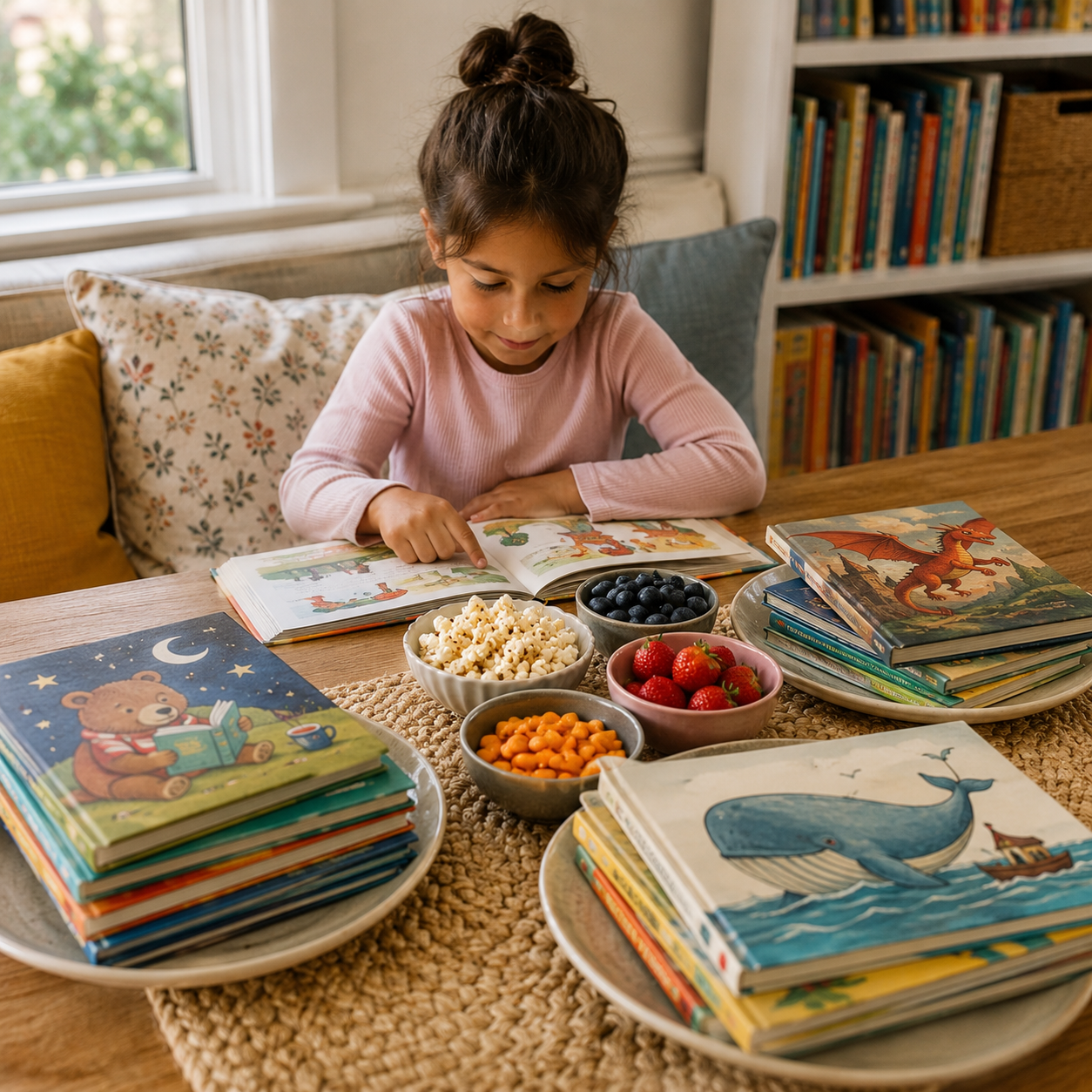
Instead of asking kids to sit at the kitchen table with a timer, bring books into the places they're already excited to be.
Try:
- building a backyard reading fort
- reading under a shady tree
- packing books for the beach or pool
- bringing favorite books on a family road trip
- creating a cozy reading corner for a break from the summer sun
- turning off the lights and reading together by flashlight before bed
- Who's your favorite character so far?
- What made you laugh?
- What do you think will happen next?
- Would you recommend this book to me?
- If you could change one thing about the story, what would it be?
Just as important as where kids read is how you talk about books afterward.
Instead of asking questions that feel like a quiz, turn reading into a conversation.
Ask things like:
These conversations encourage children to think about what they're reading without making it feel like another assignment.
When reading becomes part of the adventure instead of another expectation, children are much more likely to come back to it.
Build Reading Into Everyday Moments
Consistency matters more than intensity.
Research from literacy expert James Kim has shown that regular reading practice helps students maintain important reading skills over the summer. The goal isn't hours of reading every day. It's creating small opportunities that happen naturally.
A few simple ideas include:
- reading together after breakfast
- listening to an audiobook while running errands
- keeping a basket of books in the living room
- bringing books along to sports practices or appointments
- setting aside a few minutes for family reading before bed
Just ten or fifteen minutes a day can add up over the course of a summer. Those small moments help keep reading skills sharp without making summer feel overly structured.
Match Books to Your Child's Interests
One of the easiest ways to support overcoming reading challenges for kids is to stop focusing on what they should read and start thinking about what genuinely interests them.
If your child loves animals, sports, space, trucks, princesses, dinosaurs ... look for books that match those interests.
Kids are naturally more engaged when they care about the topic they're reading.
The same idea applies to reading formats.
Graphic novels, magazines, illustrated nonfiction, chapter books, and audiobooks all create meaningful reading experiences. Every child connects with books differently. Some love pictures. Others enjoy listening. Some are ready for longer chapter books, while others build confidence through shorter texts.
What matters most is finding formats that keep children engaged and excited to keep reading.
For example, research has shown that graphic novels can support reading engagement and comprehension by combining text with visual storytelling, making them an especially valuable option for many young readers.
Celebrate Progress, Not Perfection
Parents sometimes worry when a child rereads the same favorite book over and over.
In reality, rereading is one of the ways many children become more confident readers.
Every time children revisit a favorite story, they strengthen fluency, reinforce vocabulary, and deepen comprehension. Familiar stories also give children the confidence that comes from knowing they can successfully read and understand a book.
It's important to celebrate effort as much as, if not more than, performance.
Praise the excitement they have for a story.
Celebrate finishing a chapter.
Laugh together about funny moments.
Every positive reading experience helps build confidence, and confidence encourages children to keep reading.
The goal isn't to create the perfect reader this summer.
It's to help children enjoy reading enough that they want to keep doing it.
Why This Approach Works
The strategies above may seem simple, but they're backed by decades of literacy research.
Researchers have consistently found that frequent, low-pressure reading helps children maintain and strengthen important literacy skills over time. During the summer months, regular reading practice helps reduce the effects of the "summer slide," while positive reading experiences encourage children to keep coming back to books.
Reading motivation matters, too. Studies have found that children who enjoy reading are more likely to read voluntarily, giving them more opportunities to strengthen vocabulary, fluency, and comprehension. In other words, the more children want to read, the more they practice, and the more their reading skills continue to grow.
This is why overcoming reading challenges for kids is rarely about finding one perfect strategy. It's about creating an environment where reading feels approachable, enjoyable, and worth coming back to.
One fun reading experience won't transform a struggling reader overnight.
But dozens of positive reading experiences over the course of a summer can help build the confidence and consistency that support long-term growth.
Helping Kids Build Reading Habits That Last
Summer doesn't have to be a season where reading stops.
Some of the best reading memories happen outside the classroom: under a blanket fort, on a picnic blanket, during a family road trip, or curled up together before bed.
Helping with overcoming reading challenges for kids isn't about making summer feel more like school.
It's about making reading feel more like summer.
When books become part of the adventures, traditions, and quiet moments families are already enjoying, reading stops feeling like homework and starts feeling like something children genuinely look forward to.
Programs like Book Blast help make those moments possible by helping to provide students books of their own to read at home, making it easier for families to keep reading long after the final school bell rings.
Because overcoming reading challenges for kids isn't about filling summer with more assignments.

.png)