The Summer Slide Starts in Spring: What Schools Should Be Doing Right Now
When most people hear “summer slide,” they don’t immediately think about spring.
In fact, many don’t think about it until students return in the fall—when teachers are spending weeks reviewing material and trying to rebuild lost momentum.
The “summer slide” is what educators call the reading progress students lose over summer break when consistent practice stops. And while it shows up in August, it doesn’t start there.
It starts earlier.
The reading outcomes students carry into summer are shaped in the final stretch of the school year—when routines begin to loosen, motivation dips, and attention shifts toward the end of the year.
The most effective way to prevent learning loss isn’t trying to make up ground in August. It’s using spring to build the habits, confidence, and access to books that make summer reading possible.
What Is the Summer Slide, Exactly?
The summer slide refers to the decline in reading skills that can happen when students aren’t regularly practicing.
Research shows that students—especially those already at risk of falling behind—can lose up to 3–4 months of reading progress over the summer.
When students return in the fall:
- Teachers often spend 2-6 weeks reviewing material
- Students who were already struggling start even further behind
- Gaps widen, making it harder to catch up as the year progresses
This isn’t just about lost skills—it’s about lost momentum.
Why the Summer Slide Starts Before Summer
Reading habits don’t start and stop with the calendar. They build over time—through routine, confidence, and repeated interaction with books.
By late spring, two very different patterns are often visible in the classroom:
- Some students naturally gravitate toward books
- Others engage less consistently and haven’t fully built reading confidence
The difference often comes down to three things:
- Established reading routines
- Confidence in their ability
- Access to books
Students who head into summer with all three are far more likely to keep reading.
Students who don’t are far more likely to stop.
That’s why spring matters. It’s not just the end of the school year—it’s the window where summer reading habits are actually solidified.
Overcoming Reading Challenges Before Summer
For students facing reading challenges, this window is even more critical.
These students often experience:
- Lower confidence
- Limited reading stamina
- Less engagement with books
And without support, summer can reinforce those challenges.
When reading feels difficult, students avoid it. When they avoid it, they practice less. And when they practice less, progress slows. It’s a cycle that can be hard to break.
But that cycle can shift—before summer begins.
When schools focus on:
- Building confidence
- Creating positive reading experiences
- Expanding access to books
Students are more likely to continue reading independently, even outside the classroom.
Why Access to Books Matters Before Summer Break
If there’s one factor that consistently shapes summer reading outcomes, it’s this:
Access to books.
A child cannot practice reading without something to read.
When students leave school without books:
- Reading becomes less consistent
- Practice decreases
- Skills begin to slip
But when students leave with books in hand, something different happens:
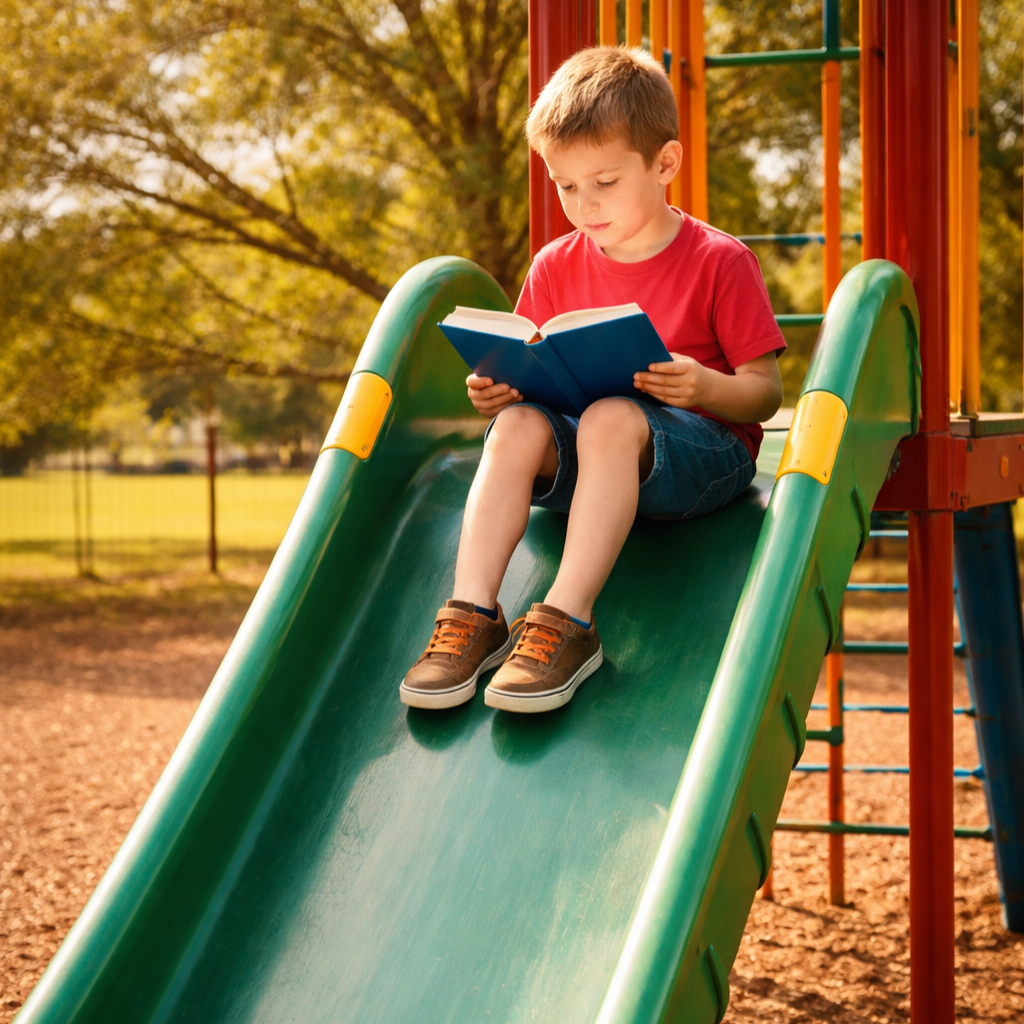
- Reading continues beyond the classroom
- Familiar routines can carry into summer
- Practice begins to happen naturally
And access isn’t just about availability—it’s about engaging, age-appropriate books that students can return to again and again.
As literacy researchers have shown, reading development works much like any skill—without consistent practice, progress naturally fades over time. With regular exposure and continued reading, those skills strengthen and become more automatic.
In fact, research shows that once students develop foundational reading skills, the amount they read becomes a key driver of reading achievement.
What Schools Should Be Doing Right Now
If spring is where summer reading outcomes are shaped, here’s what schools can focus on right now:
Prioritize access to books
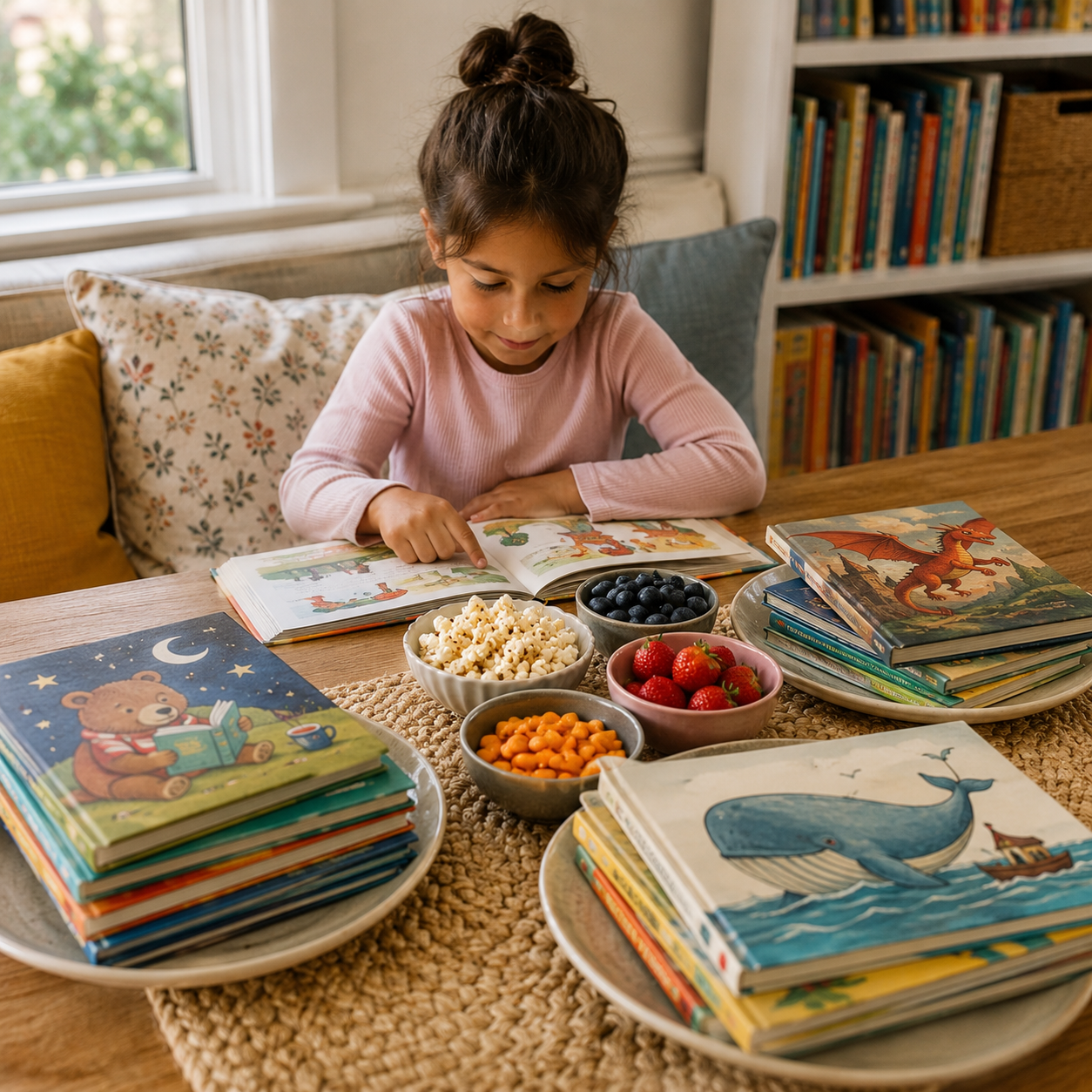
Ensure students have books they can take home and keep. Ownership makes it easier to build consistent reading habits.
Reinforce simple reading routines
Even 15–20 minutes of daily reading helps establish patterns that carry into summer.
Support students facing reading challenges early
Focus on confidence and engagement—not just skill gaps.
Build reading into everyday classroom culture
Make reading visible, shared, and consistent.
Extend reading beyond the classroom
Encourage simple routines at home so reading continues outside school hours.
Use spring to set summer reading goals
Literacy experts suggest that setting clear reading goals can increase follow-through. When students have a defined target—such as reading daily or completing a set number of books—they are more likely to stay engaged over time.
How This Shows Up in the Classroom
In classrooms where access and routines are strong:
- Students transition more easily into independent reading
- They engage more consistently
- Reading feels like a normal part of the day
And most importantly—students leave the school year prepared to continue reading on their own.
Not because they’re told to.
Because they’re used to it.
The Bridge Between Spring and Summer
Here is what it comes down to:
The summer slide does not begin in summer. It begins when preparation is overlooked in spring.
Students who leave the school year with books, confidence, and established reading habits are far more likely to keep reading over the summer.
This is where school reading initiatives have the greatest impact.
When schools focus on:
- Overcoming reading challenges early
- Expanding access to books
- Reinforcing consistent reading habits
they create the conditions for reading growth to continue beyond the classroom.
Programs like Book Blast help make this possible by:
- Putting books directly into students’ hands
- Creating excitement and celebration around reading
- Giving students something tangible to take home and continue with
As we explore further in our blog on growing home libraries, when children have books of their own, they are far more likely to revisit them, build reading habits, and continue engaging with reading outside of school.
When the school year ends with reading as a positive, celebrated experience—and students leave with books of their own—summer reading becomes far more likely to continue.
It becomes something they’re already prepared to do.