Why Reading Habits Matter More Than Reading Levels
In schools, reading levels have long been used as a way to track student progress. Parents ask about them during conferences. Teachers use them to help guide instruction and identify support needs. Schools monitor them as one indicator of literacy growth.
But reading levels only tell part of the story.
A reading level measures where a student is at a single moment in time. It does not measure how often they read, how engaged they are with books, or whether reading has become a regular habit.
And that distinction matters.
Because while reading levels help measure progress, reading habits are what help create it.
Students improve when they spend meaningful time interacting with books consistently. That is what builds fluency, strengthens vocabulary, improves comprehension, and increases confidence over time. The level reflects the outcome. The habit helps drive it.
Schools that promote a love of reading through consistent daily routines often see stronger long-term literacy outcomes than schools focused only on assessment and performance.
What Reading Levels Measure (and What They Miss)
Reading level assessments serve an important purpose.
They provide a snapshot of a student’s current reading ability and can help teachers:
- identify students who may need additional support
- group students for instruction
- guide book recommendations and classroom scaffolding
That information matters.
But assessments also have limits.
A reading level cannot tell us:
- how often a student reads outside of class
- whether they enjoy reading
- how confident they feel when reading independently
- whether reading feels like a routine or a struggle
As reading specialist Sher Marshall explained, assessments are only one piece of the puzzle. They can provide useful information, but they rarely tell the full story.
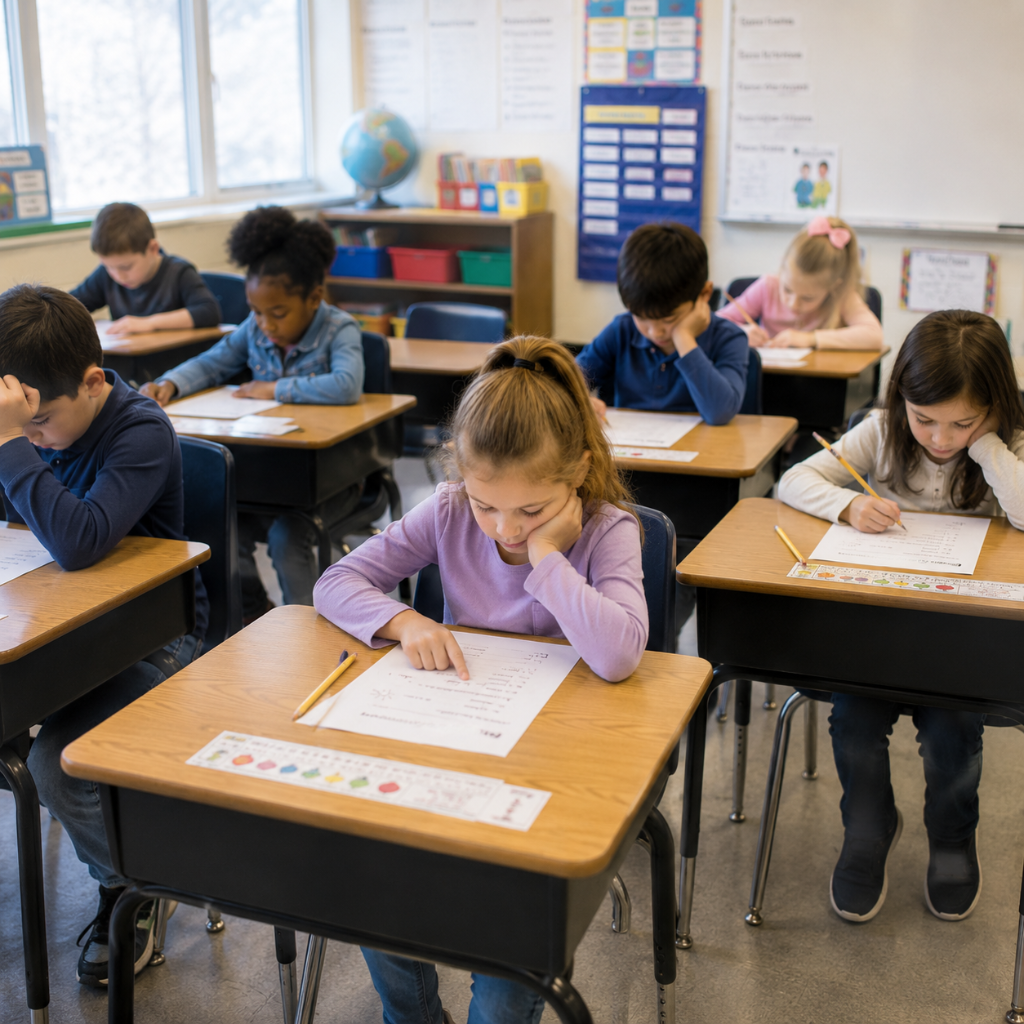
Results can also fluctuate for reasons unrelated to literacy growth. Fatigue, anxiety, confusion about instructions, or even an off day can affect performance.
Even when assessments are accurate, they do not create growth on their own. Students improve through repeated interaction with text.
Schools looking to improve literacy outcomes and increase reading scores must recognize that assessment measures growth, but practice helps build it. Reading is a skill. And like any skill, it improves through repetition.
Data from the National Assessment of Educational Progress (NAEP) shows a clear connection between reading habits and achievement. Higher-performing fourth- and eighth-grade students reported reading between sixteen and twenty pages per day for school, reinforcing a consistent pattern: students who read more tend to perform better.
Researchers studying literacy development have also found that reading volume supports vocabulary growth, spelling, word recognition, and comprehension. According to literacy researcher Linnea Ehri, repeated exposure to print strengthens word recognition and builds the foundational knowledge students need to understand increasingly complex text.
What matters most is not a student’s starting point or current level. It is whether reading becomes something they do consistently. The habit creates the conditions for growth. The level simply reflects the result.
How Reading Habits Turn Into Reading Growth
The pathway from habit to stronger literacy outcomes is surprisingly straightforward.
More reading creates more practice.
Students who spend time reading regularly strengthen the skills literacy assessments are designed to measure.
Over time:
- fluency improves
- vocabulary expands
- comprehension deepens
- reading feels easier and more automatic
Even small amounts of daily reading can compound over time.
A large-scale analysis of more than 2.2 million students found that students who read independently for at least fifteen minutes per day demonstrated stronger reading growth than students reading fewer than five minutes daily. First graders reading for fifteen minutes a day were also exposed to approximately 1.7 million words annually, dramatically increasing opportunities for vocabulary and comprehension development.
Confidence and repetition work together
Reading growth is not just about skill. It is also about confidence.
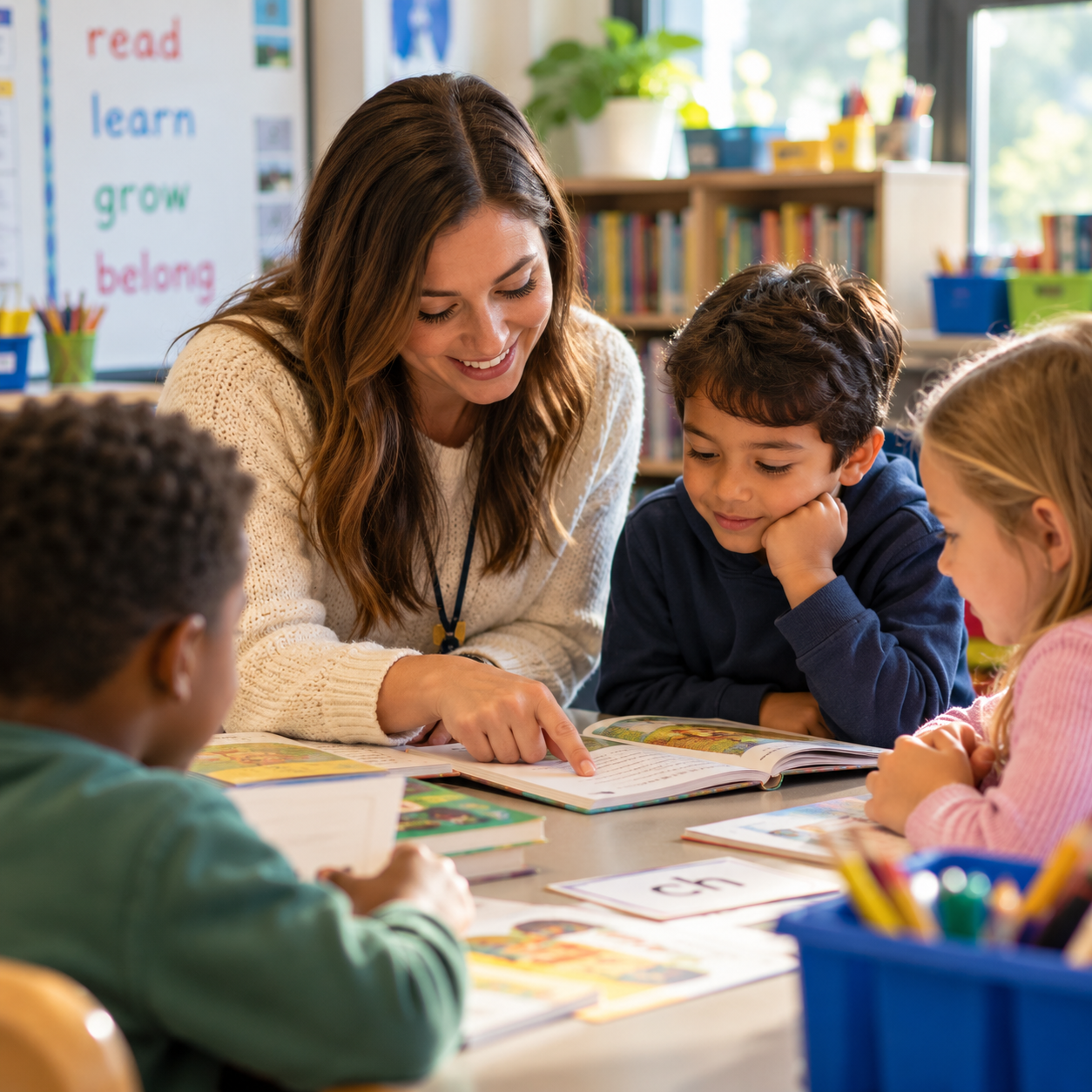
Students who read consistently begin to trust themselves as readers. They encounter familiar vocabulary, sentence patterns, and ideas repeatedly. That familiarity lowers stress, strengthens fluency, and increases comfort during classroom activities and assessments.
Repeated reading experiences also build automaticity. A child rereading a familiar book is reinforcing comprehension, vocabulary, and fluency while making reading feel easier.
When reading feels easier, students are more likely to continue. And students who continue reading improve more over time.
That cycle matters because reading growth is cumulative. Students who read consistently build stronger literacy foundations over time, which naturally contributes to improved reading performance.
What Strong Reading Habits Look Like in Schools and at Home
Strong reading habits do not require complicated systems or dramatic changes. They grow from simple, consistent structures that make reading feel natural and expected.
Protect consistent reading time
Reading practice works best when it becomes part of the rhythm of the school day.
A daily independent reading block, even fifteen to twenty minutes, creates opportunities for consistent exposure and practice.
For schools looking to support struggling readers without adding more to teachers’ plates, protected reading time is often one of the simplest and most effective places to start.
Create low-pressure reading environments
Students engage more when reading is not constantly tied to performance.
When every reading experience becomes a quiz, worksheet, or evaluation, students may begin associating reading with pressure instead of enjoyment.
Low-pressure environments help students stay engaged, reread favorites, and spend more time interacting with books.
If reading felt more like recess than a test, many students would participate more naturally.
Make books visible and available
Students are more likely to read when books are consistently around them.
Classroom libraries matter.
Home libraries matter.
Books that are easy to access create more opportunities for practice, rereading, and continued engagement.
For a closer look at how book access supports literacy growth and motivation, explore our blog on how access to books shapes early literacy success and reading motivation.
Extend reading beyond the classroom
Reading growth does not stop when the school day ends.
Students build stronger habits when reading can continue:
- before bed
- in the car
- on weekends
- during school breaks
When students have books at home, reading becomes part of everyday life instead of something that only happens at school.
Building Readers, Not Just Levels
Reading levels provide valuable information, but they are only one part of the picture.
Long-term literacy growth depends on something deeper: repeated, meaningful interaction with books. When schools prioritize reading habits alongside instruction, students read more, build confidence, and improve over time.
A three-year study from Reading Is Fundamental found that students’ confidence as readers increased when they had opportunities to own books. Researchers also found growth in the social value of reading, including talking about books with friends and family.
For schools looking to support reading habits beyond the classroom, programs like Book Blast can help students build home libraries and create more opportunities for reading at home, on weekends, and during school breaks.
Because lasting literacy growth is not built through testing alone. It grows through consistent reading, meaningful practice, and books students return to again and again.