Why Access to Books Is Still the Most Overlooked Literacy Strategy
Schools invest significant time and resources into improving literacy outcomes. Curriculum is refined, instructional strategies are updated, and student progress is closely tracked through assessments.
But even with all of this effort, one of the most important drivers of reading success is often overlooked: access to books.
The conversation around literacy tends to focus on how reading is taught. But reading outcomes are shaped just as much by how often students actually get to practice. And practice requires access.
If schools want to improve reading scores, they have to look beyond instruction alone. They have to look at whether students have consistent, daily opportunities to read.
Why Access to Books Matters for Reading Outcomes
Reading is a skill. Like any skill, it improves with repetition.
Students who read more become better readers. Students who read less fall behind.
But the difference isn’t just about effort, it’s about opportunity.
Research consistently shows that the amount of time students spend reading directly impacts fluency, vocabulary development, and comprehension. For example, a student who reads for about 20 minutes a day is exposed to nearly 1.8 million words per year, while a student who reads for just a few minutes a day encounters only a fraction of that. Over time, that gap compounds, and so do the outcomes.
Access is what makes that practice possible.
Not every student has the same level of exposure to books outside of school. Some students are surrounded by books at home. Others rely primarily on school to provide that access.
When students don’t have regular access to books, they simply don’t get enough opportunities to practice, and without practice, growth slows.
At its core, access to books determines how often students read. And how often they read determines how much they improve.
The Current Reality: Reading Outcomes Are Still Lagging
Here is a number that puts this into perspective.
According to the 2024 National Assessment of Educational Progress, only 31% of fourth graders are reading at or above a proficient level, while about 40% are below the basic level.
These students are not struggling because instruction doesn’t exist. In many cases, they are struggling because they are not getting enough consistent time with books to build confidence and skill.
Improving reading outcomes requires more than teaching reading, it requires creating the conditions for students to actually do it.
Why Access to Book Is Often Overlooked
If access to books is so important, why is it often treated as secondary?
1. Focus on instruction over practice.
Most literacy strategies prioritize how reading is taught. Curriculum, interventions, and instructional methods take center stage.
But even the best instruction cannot replace regular reading. Without consistent practice, progress stalls.
2. Assumption about access
It is easy to assume students already have books available to them.
In reality, access varies widely. Some students have an abundance of reading material, while others depend almost entirely on school to provide it.
3. Competing priorities in schools
Time is limited, and schools are balancing many demands.
As a result, initiatives that increase access – like building classroom libraries or sending books home – can sometimes fall lower on the priority list, even though they directly support reading growth.
In fact, research analyzing NAEP data has shown that access to books in schools and libraries is a strong predictor of reading achievement. The more access students have, the better they tend to perform.
What Improving Access to Books Looks Like in Practice
Improving access does not require starting from scratch. It means making intentional use of systems that already exist.
Consistent access during the school day
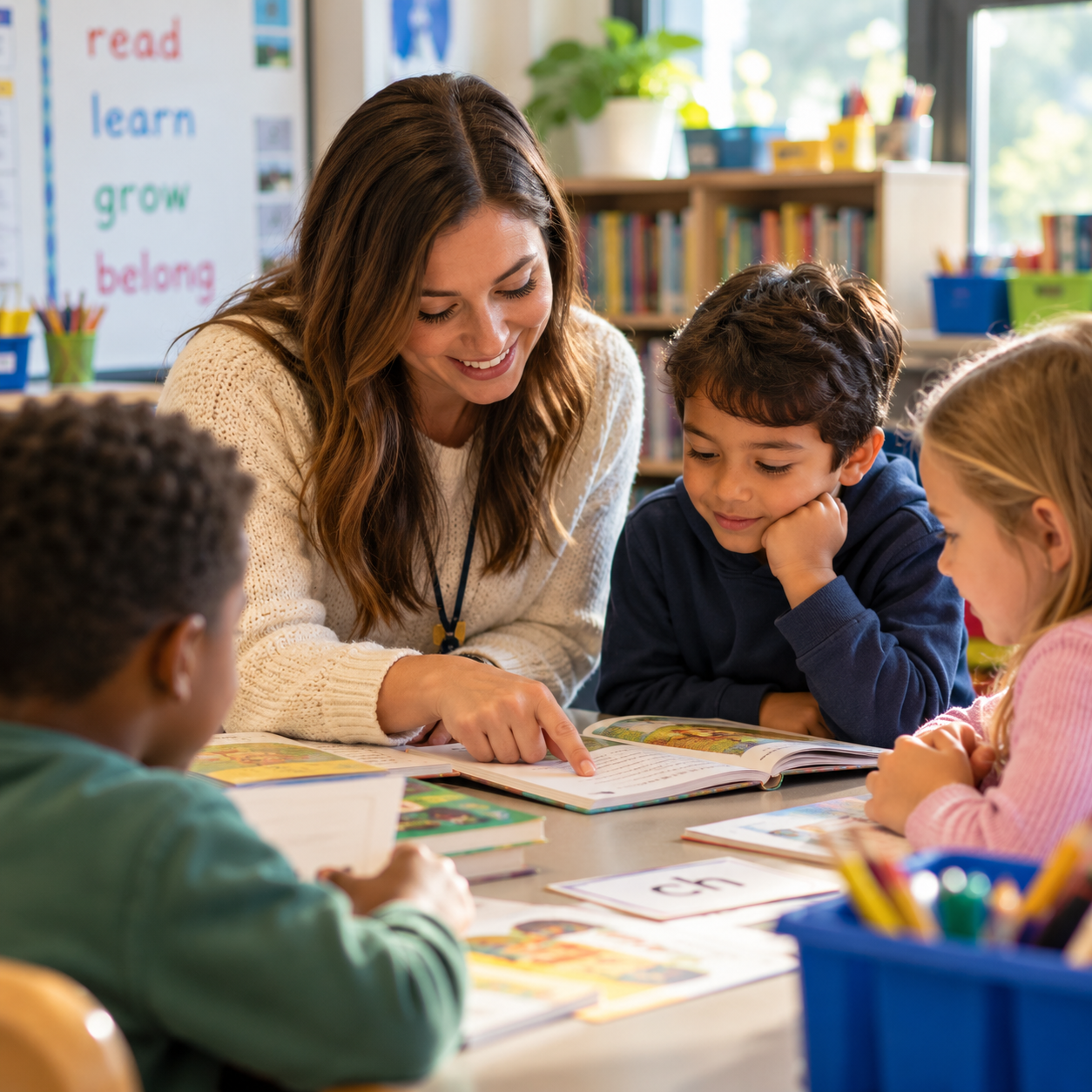
Classroom libraries are one of the most effective ways to ensure students always have something to read. When books are visible and easy to access, reading becomes a natural part of the day, not something students have to seek out.
Extending access beyond the classroom
Reading growth doesn’t stop when the school day ends.
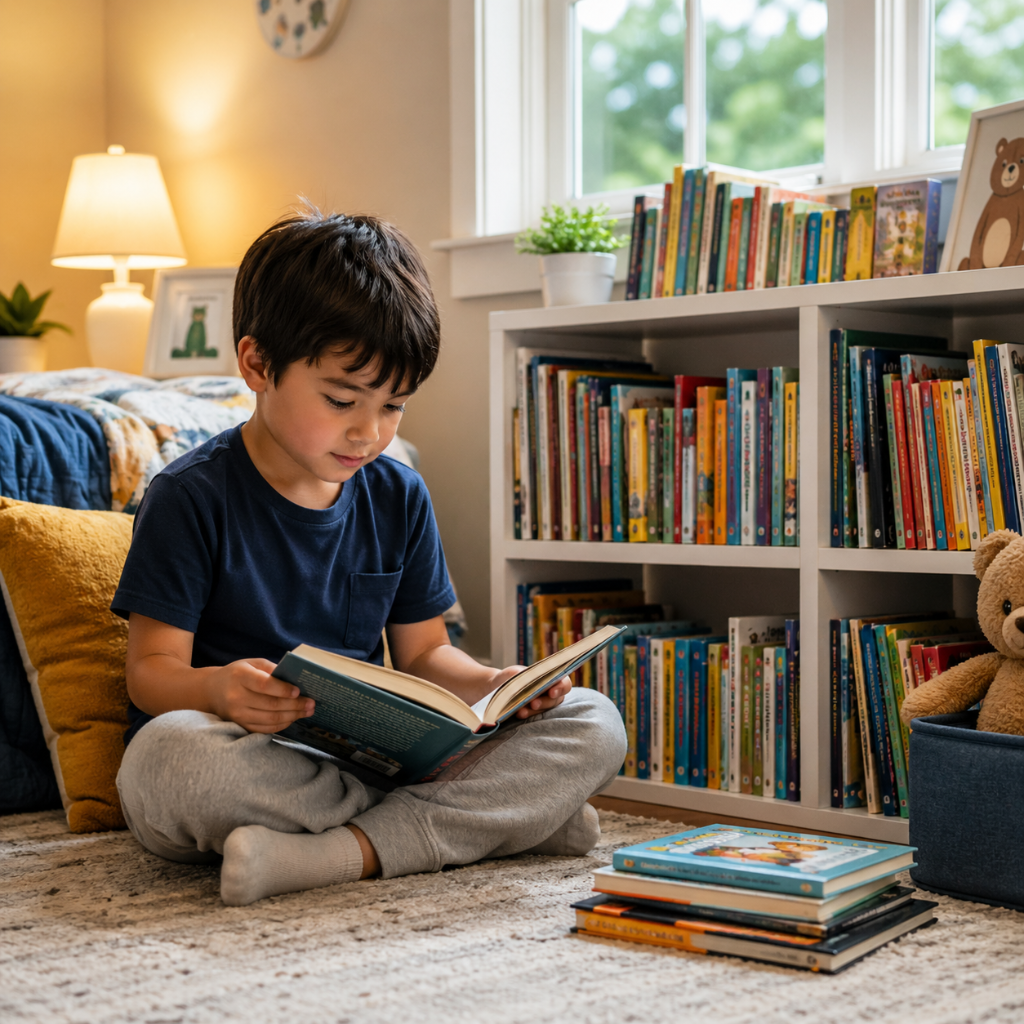
When students have books at home, they are more likely to:
- reread familiar texts
- build confidence through repetition
- develop independent reading habits
Programs like Book Blast help students build home libraries through community support, giving them new, age-appropriate books to take home and more opportunities to keep reading beyond the classroom.
For more ways to support reading without adding extra demands on teachers, check out our blog, “Supporting Struggling Readers Without Adding More to Teachers’ Plates.”
Why Confidence Plays a Key Role
Access to books doesn’t just improve skill, it builds confidence.
When students interact with books regularly:
- reading feels more familiar
- success feels more achievable
- participation increases
A student who feels confident is more likely to pick up a book.
A student who picks up a book more often improves faster.
Over time, this creates a reinforcing pattern:
more access → more reading → more confidence → stronger outcomes
Access as a Strategy for Increasing Reading Scores
Improving access is one of the most scalable and sustainable ways to support literacy outcomes.
It does not require new technology.
It does not require retraining teachers.
It simply requires putting books into students’ hands.
And when schools do that consistently, reading outcomes improve.
We’ve seen how fragile reading progress can be. During the pandemic, students lost, on average, about one-third of a grade level in reading, an impact highlighted in research from McKinsey & Company.
That disruption highlighted something important: students need regular, ongoing interaction with books to maintain and build skills.
Access helps ensure that practice continues, no matter what.
From Overlooked Strategy to Daily Practice
Access to books is not an extra, it is a foundation.
When schools prioritize access alongside instruction, they create the conditions for:
- stronger reading skills
- higher engagement
- long-term literacy growth
Students who have books read more.
Students who read more improve faster.
Students who improve faster gain confidence and continue reading.
And we’ve seen what that can look like in practice.
At Southwest Elementary School in Savannah, Georgia, the school partnered with Book Blast to expand students’ home libraries. In just two weeks, students received more than 1,100 new books in total, creating immediate opportunities for continued reading beyond the classroom.
When access becomes part of the school experience, reading stops being something students might do, and becomes something they are equipped to do every day.
And that’s where real progress begins.